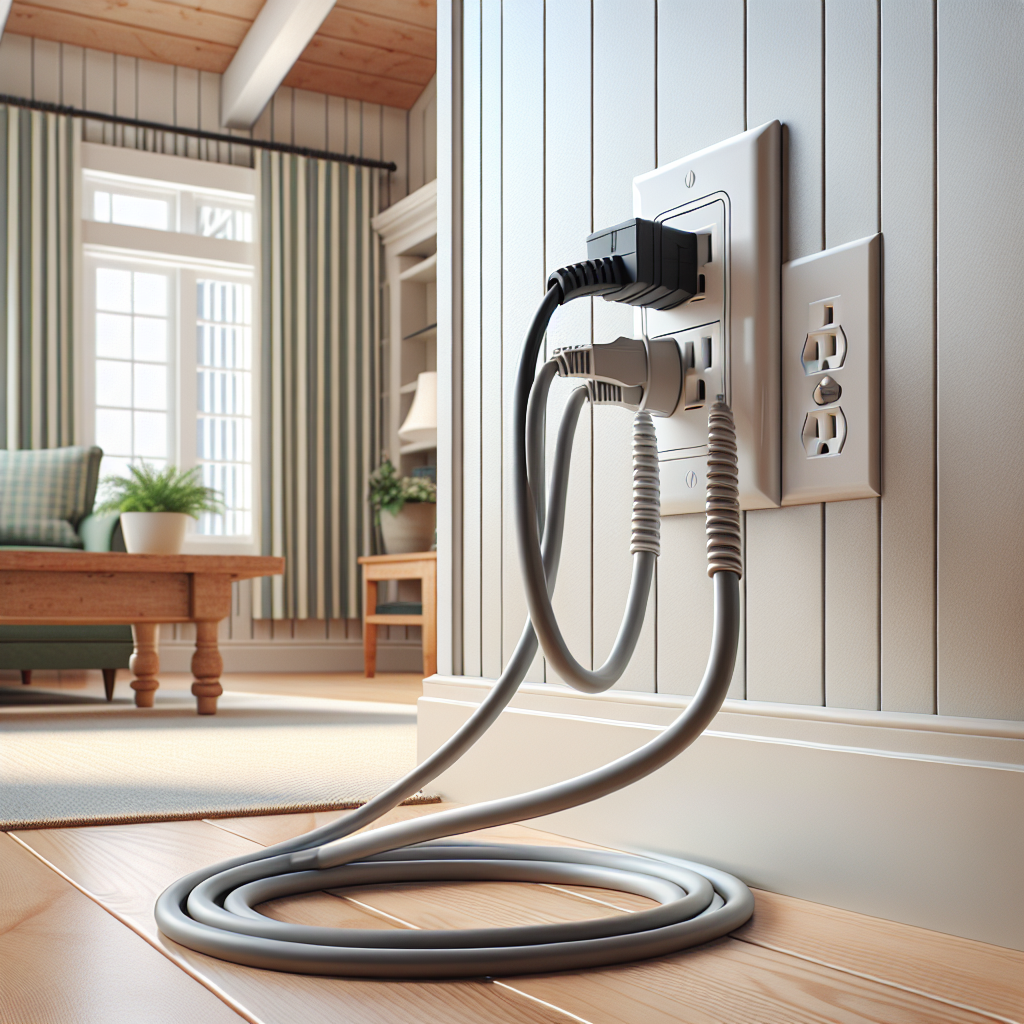
Homeowners in St. Johns understand the importance of safeguarding their electrical appliances, devices, and systems from the unpredictable nature of power surges. With increasing reliance on technology and smart home devices, the need for effective surge protection solutions has never been more critical. Whether caused by lightning strikes, electrical grid issues, or even household appliances going haywire, power surges can wreak havoc on personal property. This comprehensive guide will explore surge protection options available for homes in St. Johns, emphasizing electrical safety and how these solutions can clinch the deal for peace of mind.
Understanding Power Surges
Before delving into surge protection solutions, it’s wise to comprehend what a power surge really is. A power surge refers to a sudden increase in voltage that can last for a fraction of a second but can cause significant damage. These surges can be incredibly potent, often exceeding standard voltage levels that electronic devices are designed to handle.
Most notably, surge events can originate from external sources like lightning, with a bolt carrying millions of volts. Even more common and dangerous are internal surges, stemming from large appliances switching on and off. These scenarios can lead to catastrophic damage, leaving you vulnerable. Indeed, understanding power surges is the first step toward effective surge protection in your St. Johns home.
Identifying the Need for Surge Protection in St. Johns
The unique geographical and meteorological features of St. Johns can increase the risk of power surges. The area has a history of dynamic weather patterns. Frequent thunderstorms and heavy rain can significantly raise the chances of lightning strikes. Therefore, it’s imperative to consider surge protection solutions tailored to the specific conditions faced by residents.
Common Devices at Risk
Household devices such as televisions, computers, kitchen appliances, and HVAC systems are often the most vulnerable to power surges. Even minor surges can diminish their lifespan, leading to costly repairs or replacements. Investing in surge protection for your home can help preserve these critical devices and save you money in the long run.
Catastrophic Risks of Not Having Surge Protection
Failing to implement surge protection measures may result in more than just damaged electronics. The potential safety hazards that accompany electrical surges can lead to fire risks or even electrification. Imagine coming home to find not just dead electronics but also a hazardous environment. Ensuring your home is adequately protected is as much about safeguarding against financial loss as it is about protecting your loved ones.
Types of Surge Protection Solutions
When considering surge protection in St. Johns, homeowners have several options available. It’s essential to identify which type best suits your needs and budget. Here are some popular approaches:
Whole-House Surge Protectors
Whole-house surge protectors are installed at the electrical service panel. They provide a primary line of defense against surges that enter through the electrical system. These devices can handle high voltage levels and are often designed to protect all the circuits in your home.
Investing in a whole-house surge protector can be particularly beneficial in St. Johns due to the frequent thunderstorms. This solution ensures that your entire home, including all connected devices, remains shielded from potentially destructive electrical shocks.
Point-of-Use Surge Protectors
On the other hand, point-of-use surge protectors are typically used for individual devices. These are similar to power strips with built-in surge protection and are usually used for sensitive electronics. For example, protecting a high-end gaming computer or a home entertainment system may require such a solution.
While these devices offer additional protection, they should not replace whole-house surge protection. Instead, consider them an additional layer of security. Together, these two types create a solid defense against surges.
How to Choose the Right Surge Protector
Choosing the right surge protection solution for your St. Johns home involves considering several factors. These include:
1. Energy Absorption/Dissipation Rating
One of the most crucial specs to assess is the energy absorption or dissipation rating, measured in joules. The higher the joule rating, the better the device can absorb surges. Aim for at least 1000 joules for basic protection, but higher is preferable for more robust solutions.
2. Clamping Voltage
Clamping voltage refers to the level of voltage that will trigger the surge protector to activate. Ideally, you want a device with a lower clamping voltage, which means it will react quicker to surges and protect your devices more effectively.
3. Response Time
The quicker the response time, the less chance your devices have of being damaged during a surge. Some high-quality units offer response times in nanoseconds, which provide excellent protection against fast surges.
Installing Surge Protection Solutions in St. Johns
Once you’ve identified the right surge protection solutions, the next step is installation. For whole-house surge protectors, hiring a licensed electrician is recommended. DIY installations could lead to improper setups or safety hazards. Professional installation ensures everything is up to electrical codes while securing optimal protection.
Point-of-use surge protectors, meanwhile, can typically be plugged in without professional assistance. However, it’s essential to follow the manufacturer’s instructions carefully.
Regular Maintenance and Checks
After installation, it’s critical to check your surge protection solutions regularly. Many point-of-use surge protectors have status indicators to alert you when they’re no longer functioning correctly. Whole-house protectors may require professional checks to ensure effective operation. Regular maintenance can ensure your investments offer the protection they promise.
Conclusion
Surge protection solutions are not merely optional for homeowners in St. Johns; they are a necessity. Understanding your unique risk factors, alongside the available surge protection technologies, equips you with the tools to protect your electrical systems. Whether opting for whole-house surge protectors or point-of-use solutions, your electrical safety should always come first. Protect your home and your family by investing in reliable surge protection today!