Buying a home in NE Florida is one of the biggest financial decisions most people make, and the standard four-point inspection that comes with a real estate transaction does not catch the electrical problems that can cost the most after closing. Federal Pacific Stab-Lok panels, Zinsco panels, knob-and-tube wiring in older Jacksonville and Springfield homes, aluminum branch wiring from the 1970s, and undersized 60- or 100-amp services hiding behind a fresh coat of paint — these are the issues a dedicated electrical inspection by a licensed electrician will find before you sign.
A pre-purchase electrical inspection is a detailed evaluation of a home’s complete electrical system performed by a licensed electrical contractor. Unlike a general home inspection, which spends a few minutes looking at the panel cover and testing a sample of outlets, an electrical inspection examines the service entrance, the main panel, every accessible junction box, sample wiring runs, GFCI and AFCI protection, grounding and bonding, and the overall capacity of the system to handle modern loads.
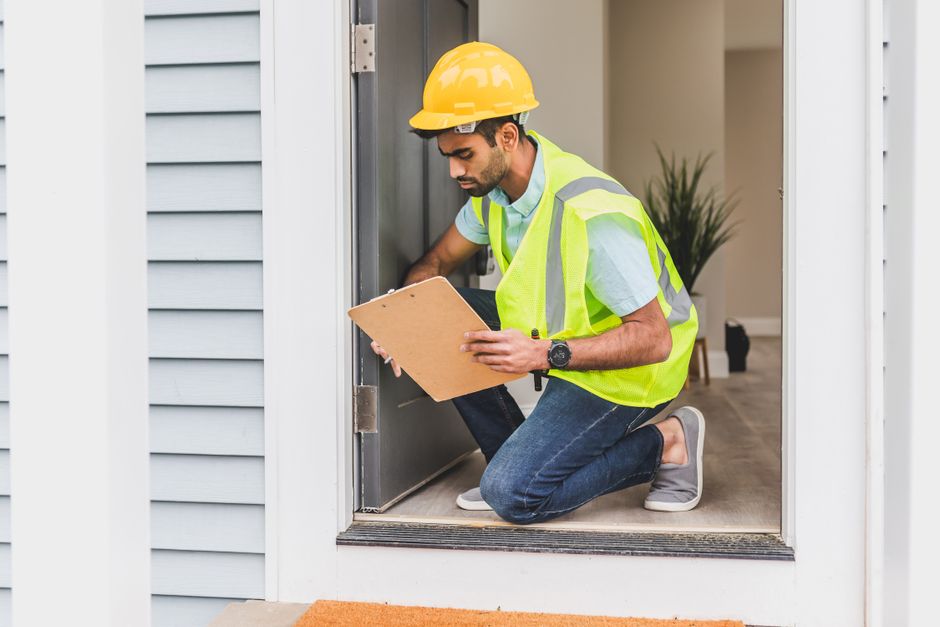
The standard Florida four-point inspection covers electrical, plumbing, HVAC, and roof — at a high level. The electrical portion is typically a glance at the panel, a note on the service size, and a test of a handful of outlets. That is fine for the insurance underwriter who needs the form, but it misses most of what actually matters.
A general home inspector is a generalist by definition. They are not licensed electricians, do not always know the failure history of specific panel brands, and rarely have the test equipment to evaluate hidden wiring issues. A pre-purchase electrical inspection by a licensed electrical contractor is what tells you whether you are buying a sound system or a six-figure electrical headache.
NEC Article 230 governs the service conductors and the equipment that delivers utility power to the panel, and NEC Article 250 governs the grounding and bonding system that ties everything to earth. In plain language, Article 230 dictates how the wires from the meter reach the main breaker and how that main disconnect has to function; Article 250 dictates that the entire electrical system has a low-resistance path to ground so a fault current trips a breaker instead of finding another way out. An upgrade that touches the service or panel always includes verifying both, because a panel that looks fine but is bonded incorrectly is still a shock and fire risk.
The conductors running from the utility to your meter and main breaker — the service entrance — degrade in Florida sun and salt air. An inspection checks for damaged insulation, undersized conductors for the panel rating, proper weatherheads, and corroded meter cans. Coastal homes in Ponte Vedra and St. Augustine see the worst of this.
The panel is the heart of the inspection. The inspector identifies the manufacturer (critical — see below), checks the bus condition, looks for double-tapped breakers, evaluates the grounding and bonding, photographs the inside of the panel, and assesses whether the service size is appropriate for the home and the modern load.
Two panel brands deserve special attention. Federal Pacific Electric (FPE) Stab-Lok panels and Zinsco panels have documented histories of breakers that fail to trip during overloads — a known fire risk. Both are widely recognized as unsafe and should be replaced regardless of how the home is otherwise wired. If the listing photos show one of these panels, factor a panel replacement into your offer.
Older homes can have multiple wiring types. Knob-and-tube wiring in homes built before about 1950 is brittle, lacks a grounding conductor, and is generally insurance-non-compliant today. Aluminum branch wiring used widely from the mid-1960s through the mid-1970s has a documented failure history at connections, especially at switches and outlets, and requires either complete replacement or specialized AlumiConn or COPALUM connector remediation. Modern copper romex with proper grounding is the standard you want to see.
NEC Article 210.8 requires GFCI protection on kitchen, bath, garage, basement, laundry, outdoor, and near-sink receptacles. NEC Article 210.12 requires AFCI on most residential branch circuits. An inspection identifies where these are missing and what bringing the home up to current code would involve.
The inspector also verifies the grounding electrode system — the connection between your electrical system and earth — and the bonding of metal water and gas lines. Improper grounding is a shock and fire risk that almost never appears in a general home inspection report.
Older homes were built with 60-amp or 100-amp service that no longer matches modern loads. If you plan to add a heat pump, an EV charger, a hot tub, a workshop, or a backup generator after move-in, the inspection should evaluate whether the existing service can support it or whether a panel upgrade comes first.
Florida homeowner insurance carriers have grown stricter about Federal Pacific Stab-Lok and Zinsco panels in recent years. Several carriers will not write a new policy on a home with these panels, and a few will not renew an existing policy without proof of replacement. The safety case for replacing them does not soften with time — both brands have documented histories of breakers that fail to trip during overloads, which is exactly the failure mode that starts panel fires. Even where coverage is available, premiums and deductibles often reflect the added risk. Replacement is the only fix; AFCI or GFCI retrofits do not address the underlying breaker failure.
Several issues are more common in NE Florida than in other regions.
Salt-air corrosion affects meter cans, outdoor disconnects, and outdoor lighting circuits in homes near the coast, especially in Ponte Vedra, St. Augustine, Vilano Beach, and the Beaches communities. Visible rust on a meter can usually means hidden corrosion inside the panel.
Lightning damage is often invisible in the home but obvious in the system. Burned points on bus bars, melted breakers, or fried surge protectors all tell a story. Buying a NE Florida home without whole-house surge protection means budgeting to add it.
Older Jacksonville neighborhoods — Riverside, Avondale, Springfield, Murray Hill, and parts of the Westside — frequently still have original electrical systems from the 1920s through the 1950s. A pre-purchase electrical inspection in these neighborhoods is not optional; it is the only way to know what you are buying.
Recent flooding or hurricane water exposure also matters. Wet drywall has been repaired in many homes; wet electrical components were not always replaced. The inspector looks for telltale signs and recommends moisture testing where warranted.
Older Jacksonville-area construction adds its own layer to this kind of project. Homes built in the 1970s and 1980s in neighborhoods like Mandarin, Arlington, Sandalwood, Lakeshore, and parts of Orange Park were wired to the standards of their era, which means fewer circuits, fewer outlets per room, and electrical layouts that assumed one television, one window air conditioner, and no home office. A modern household runs more devices on the same wiring, and the cumulative load shows up as warm outlets, dimming lights when the AC starts, and breakers that trip more often than they used to.
The inspection report becomes part of your negotiation. Major findings — FPE or Zinsco panels, knob-and-tube wiring, aluminum branch wiring, undersized service, missing grounding — become either a price reduction request, a seller-funded repair before closing, or a deal-breaker depending on severity and your tolerance for post-close projects.
A licensed electrician will quote the cost to fix each major issue, and that becomes your negotiating number. Buyers who skip the electrical inspection often discover these problems six months after closing and pay full price out of pocket.
The inspector should be a licensed Florida electrical contractor registered with the DBPR ECLB. Ask for the license number before you book the inspection; you can verify it on the DBPR website. The deliverable should be a written report with photos, identified issues categorized by severity, and quoted remediation costs.
Inspections typically take one to two hours for a standard single-family home and longer for older or more complex properties. The cost is modest compared to the purchase price and is among the highest-return due-diligence dollars you can spend.
ELR Electric is a licensed Florida electrical contractor serving Jacksonville, Orange Park, Ponte Vedra, St. Augustine, Middleburg, and the surrounding NE Florida communities. We provide thorough pre-purchase electrical inspections with photo-documented written reports, quote remediation honestly, and stand behind any repair work we do. Call us to schedule an inspection before you sign.
Learn more about how we serve your area on our Jacksonville electrician page and our Ponte Vedra electrician page.