
GFCI outlets are one of the highest-impact safety devices in any modern home, and in coastal Ponte Vedra they matter more than most homeowners realize. The combination of pool decks, beach proximity, salt-air humidity, outdoor kitchens, and the constant moisture that comes with coastal living creates exactly the conditions that GFCI protection is designed to handle. NEC code requires GFCI protection in specific locations throughout your home; older Ponte Vedra homes often have gaps that a code-compliant install closes.
A ground-fault circuit interrupter (GFCI) outlet is a receptacle with built-in fault detection that cuts power within milliseconds when it detects current flowing along an unintended path — typically through a person, water, or a damaged appliance ground. The device monitors the difference between hot and neutral currents; any imbalance above about 5 milliamps trips the internal contacts and disconnects power until manually reset. This response is fast enough to prevent serious electrical shock even in wet conditions.
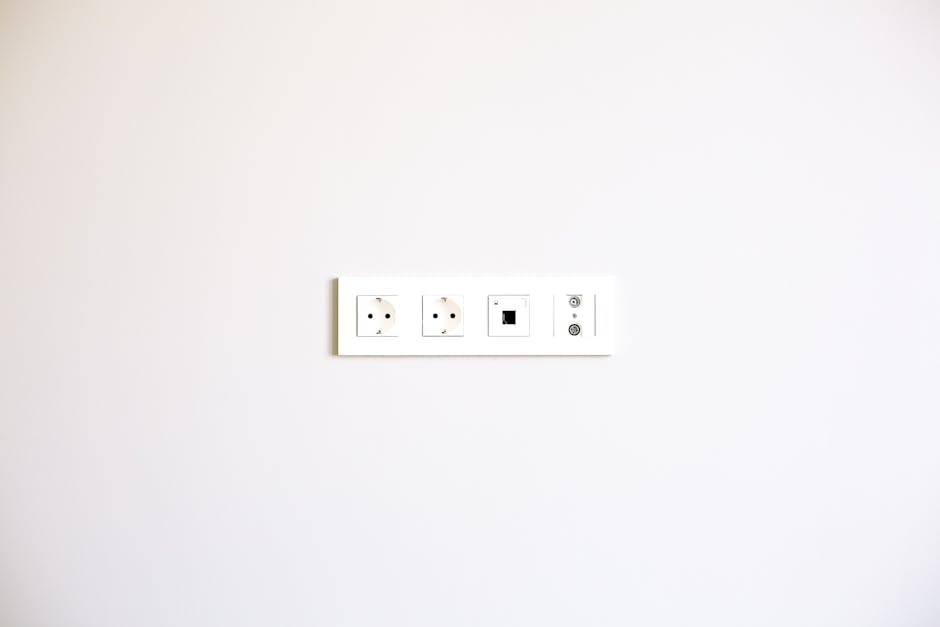
Coastal living introduces several conditions that increase the risk of ground faults.
Salt air and humidity. Coastal Ponte Vedra atmosphere contains chloride that accelerates corrosion in outdoor electrical equipment. Corroded connections inside outlets, junction boxes, and disconnects can develop low-current ground paths that GFCI protection catches before they become injuries.
Pool decks, hot tubs, and outdoor kitchens. These are the highest-risk locations for water-electrical contact. NEC Article 680 requires extensive GFCI protection around pools and hot tubs, and modern outdoor kitchens with sinks, ice makers, and electric appliances need GFCI protection for the same reasons interior wet areas do.
Bath and laundry humidity. Even interior bathrooms in coastal homes operate with higher background humidity than in dry climates. The bath outlet that gets damp every morning is the outlet GFCI protection was designed for.
Lightning-related damage. Surges from NE Florida summer storms can damage equipment grounds in ways that create future fault paths. GFCI protection on circuits feeding sensitive locations catches these faults if they develop.
What the homeowner actually sees during the work is usually less disruptive than they expect. The contractor pulls an electrical permit with the county — Duval, Clay, St. Johns, or Putnam depending on the address — before any work begins. If the main service is being upgraded, the utility is coordinated so the meter is pulled at the start of the day and reset before evening. The crew works through the planned scope in one to two days for most residential jobs, then the county inspector walks the work and signs off. The inspection card stays with the property and is the documentation a future buyer or insurance carrier will ask to see.
NEC Article 210.8 specifies the locations where GFCI protection is required in dwelling units. The list has grown over the years and now covers most water-adjacent and outdoor areas.
Kitchens — all receptacles serving countertops and any receptacle within six feet of the kitchen sink.
Bathrooms — all receptacles. Bathrooms have unique GFCI requirements: every outlet, not just the ones near the sink.
Garages and accessory buildings — all receptacles. The increasing use of garages for workshops, EV charging, and storage of moisture-sensitive items has expanded this requirement.
Outdoor receptacles — all receptacles. The Ponte Vedra patio, pool deck, and outdoor kitchen outlets all require GFCI.
Basements and crawl spaces — all receptacles (less common in Florida, which has slab construction in most areas).
Laundry areas — all receptacles.
Within six feet of any sink — wet bars, second-bath sinks, kitchen island sinks all count.
Pool and hot tub equipment — required per NEC Article 680, with specific bonding requirements as well.
Boathouses and dock electrical — required per NEC Article 555 for coastal homes with private docks.
Older Ponte Vedra homes built before various of these requirements were added often have outlets in required locations that are not GFCI-protected. Bringing the home up to current code closes those gaps.
NE Florida humidity stays above seventy percent for months at a stretch and corrodes electrical components faster than the same parts last in drier climates. Coastal homes in Ponte Vedra, Nocatee, and St. Augustine fight salt-laden air on top of that, and salt accelerates terminal oxidation inside panels, disconnects, and any outdoor fixture not rated for damp or wet locations. Older 1970s and 1980s Jacksonville-area construction in Mandarin, Riverside, Arlington, and the Westside often shows the cumulative damage first — small problems left unattended for decades that a current-day upgrade has to address all at once.
There are two ways to provide GFCI protection on a circuit.
A GFCI receptacle replaces a standard outlet at a required location. It can be wired to protect only itself (“single-location protection”) or to also protect downstream outlets on the same circuit (“multi-location protection”). The downstream-protection wiring is common in older Ponte Vedra homes because it lets one GFCI cover several outlets — but it also means a tripped GFCI in one location takes power away from outlets in other rooms, which can confuse homeowners.
A GFCI breaker at the main panel replaces a standard breaker and provides GFCI protection on the entire circuit. Every outlet, switch, and fixture on the circuit gets protection. The reset is at the panel, which is centralized but inconvenient for outdoor or remote outlets. GFCI breakers are required by code for certain pool and hot tub installations.
A licensed electrician selects between outlet-level and breaker-level GFCI based on circuit configuration, accessibility for reset, and code requirements for the specific location.
The National Electrical Code drives most of the safety requirements that apply to this work. NEC Article 210.8 mandates GFCI protection in kitchens, baths, garages, laundries, outdoor receptacles, and anywhere within six feet of a sink — the goal is to shut the circuit off in milliseconds when current finds a path through a person instead of through the intended wires. NEC Article 210.12 mandates arc-fault protection on most residential branch circuits, which catches the kind of low-energy arcing inside damaged insulation that starts hidden wall fires. Bringing a home into compliance with these articles is one of the most direct safety improvements an upgrade delivers.
Outdoor and damp-location GFCI installations require additional features.
Weather-resistant (WR) receptacles are required for outdoor installations. The “WR” marking on the device indicates the materials and seals are rated for outdoor exposure.
Tamper-resistant (TR) receptacles are required in most residential applications since 2008. The “TR” marking indicates internal shutters that prevent insertion of foreign objects, an important safety feature in homes with children.
In-use covers (sometimes called “bubble covers” or “while-in-use covers”) are required for outdoor outlets to maintain weather protection while devices are plugged in. They cost a few dollars more than standard outdoor covers and significantly extend the life of the receptacle.
A spec-grade outdoor GFCI for a Ponte Vedra patio or pool deck is WR, TR, and installed in an in-use cover — the combination that holds up to coastal conditions and meets current code.
A real GFCI install for an ELR Electric customer in Ponte Vedra starts with an audit of existing protection. We walk through the home and identify which required locations have GFCI protection and which do not. We test existing GFCIs to confirm they actually trip when they should — older GFCIs sometimes fail “open” (still pass power but no longer detect faults), which is dangerous.
Installation involves replacing standard outlets with GFCI outlets, or installing GFCI breakers at the panel for circuit-level protection. For outdoor and damp-location installs, we use WR/TR devices in proper weatherproof boxes with in-use covers. Pool and hot tub circuits get GFCI protection that meets the specific NEC Article 680 requirements for those installations.
For older Ponte Vedra homes with two-prong ungrounded wiring, GFCI outlets can legally be installed on ungrounded circuits with proper labeling. This is the only legitimate way to add modern three-prong functionality to an ungrounded system without rewiring.
GFCI outlet replacement of an existing receptacle, with the breaker off, is within typical homeowner scope. New outlet additions, new circuit installations, and panel-level GFCI breaker installations are permit-required electrical work in Florida and must be performed by a licensed electrical contractor registered with the DBPR ECLB. St. Johns County is the permitting authority for Ponte Vedra.
The licensing requirement protects the homeowner. Improperly installed GFCIs can fail to provide protection, give false confidence, and pass home inspections that miss the underlying problem.
GFCI outlets have built-in test functions that should be exercised monthly. Pressing the TEST button should trip the device and cut power; pressing RESET should restore power. A GFCI that does not trip when tested has failed and needs replacement.
In coastal Ponte Vedra, salt-air corrosion can shorten GFCI life. Outlets that test fine but feel sticky, that produce hesitant tripping, or that have visible corrosion on the face are due for replacement before they fail completely.
ELR Electric is a licensed Florida electrical contractor serving Ponte Vedra, Nocatee, St. Augustine, and the broader St. Johns County area. We audit existing GFCI coverage, install code-compliant outlets at required locations, specify coastal-rated devices for outdoor and pool-area locations, and pull St. Johns County permits where required. Call us to schedule.
Learn more about our work in your area on our Ponte Vedra electrician page and our Nocatee electrician page.