A blown breaker at 11 p.m. is annoying. A burning smell from your panel at 2 a.m. is an emergency. Knowing which one you have, and what to do next, is the difference between a routine service call the next morning and a house fire. Jacksonville’s heat, humidity, summer storm cells, and aging housing stock create more electrical emergencies than people realize — and almost all of them call for an electrician who answers the phone at any hour, not a wait-list booking.
A real electrical emergency is any situation where there is an immediate fire, shock, or electrocution risk, or where the loss of power threatens life safety. Burning smells from outlets or panels, visible sparks, scorched wall plates, water touching live electrical equipment, repeated breaker trips that will not reset, and total loss of power to a home with medical equipment all qualify. Standard outages and one-off tripped breakers usually do not.
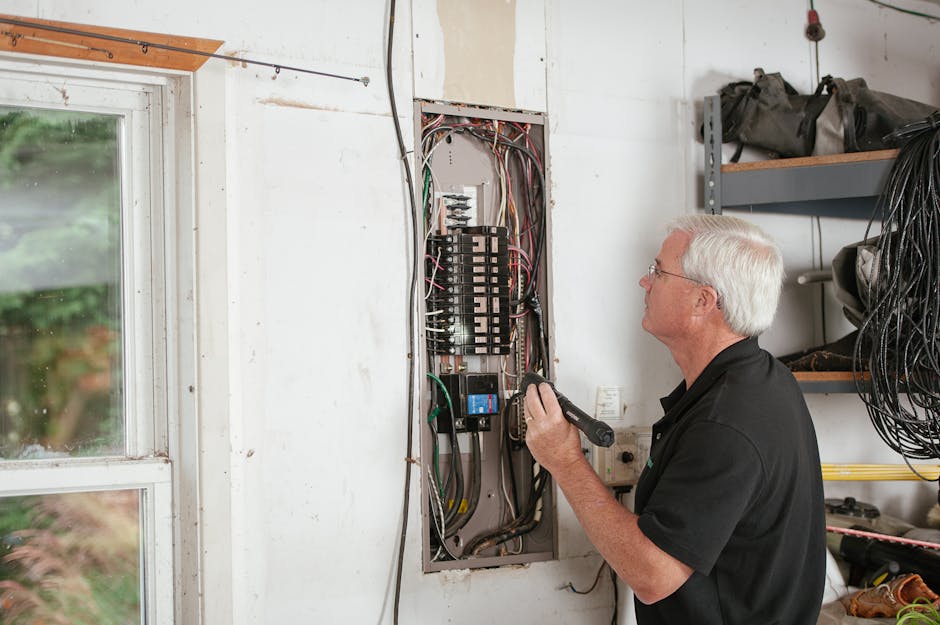
Jacksonville’s electrical emergency rate is shaped by three local factors that most homeowners do not think about until something goes wrong. The first is weather. The city sits in one of the most lightning-prone regions in the United States, and afternoon summer thunderstorms regularly send surges down service lines and into panels. The second is age. Large parts of Riverside, Avondale, Springfield, Mandarin, and the older Westside were wired before modern circuit loads were anywhere near what families use today. The third is humidity. Salt and moisture corrode connections inside outdoor disconnects, meter cans, and outdoor lighting circuits faster here than in dry climates.
When those three factors combine — a 1970s panel that has been quietly corroding for years, then takes a lightning hit during a July storm — you get the kind of call that comes in after midnight.
The National Electrical Code drives most of the safety requirements that apply to this work. NEC Article 210.8 mandates GFCI protection in kitchens, baths, garages, laundries, outdoor receptacles, and anywhere within six feet of a sink — the goal is to shut the circuit off in milliseconds when current finds a path through a person instead of through the intended wires. NEC Article 210.12 mandates arc-fault protection on most residential branch circuits, which catches the kind of low-energy arcing inside damaged insulation that starts hidden wall fires. Bringing a home into compliance with these articles is one of the most direct safety improvements an upgrade delivers.
Some electrical problems can wait for a scheduled appointment. Others cannot, and treating them like they can is how fires start. Call an emergency electrician immediately if you notice any of the following.
A burning or fishy plastic smell coming from an outlet, switch, or panel almost always means insulation is overheating somewhere inside the wall. Even if nothing is visibly wrong, the wire has already failed. Cut power at the main breaker and call.
Scorched, warm, or discolored outlets and switch plates mean current is arcing or a connection is loose. The damage you can see is usually a fraction of what is happening behind the drywall.
A breaker that trips and refuses to reset, or trips again within seconds, is doing exactly what it is designed to do — protecting you from a real fault. Do not keep flipping it. Something is wrong on the circuit.
Sparks or popping sounds from any electrical device, panel, or outlet. Live current is finding an unintended path. Power the affected circuit off if you can do so safely from the panel.
Water in contact with live electrical equipment — after a roof leak, a burst pipe, or storm flooding. Do not approach the area. Cut power at the main and call an emergency electrician before anyone touches anything.
Loss of power that only affects part of your home, especially if it is the kitchen, primary bedroom, or anywhere medical equipment is running, can indicate a serious panel fault rather than a normal outage.
Florida has the highest density of cloud-to-ground lightning strikes of any state in the United States, and thunderstorm-heavy summer afternoons from June through September push every home electrical system harder than the rest of the year. A direct strike is rare; a nearby strike that sends a damaging surge into the home wiring through the utility lines, the cable feed, or the phone line is common. NE Florida homeowners who have lived here through a few storm seasons usually have a story about a fried garage-door opener, a dead refrigerator board, or a router that stopped working after a loud night.
A real emergency electrician arrives with a fully stocked van — common breakers, wire, GFCI and AFCI devices, panel parts, and the diagnostic gear to find a fault fast. The first ten minutes are about safety: power off the affected circuit or main, verify with a non-contact tester, isolate anyone in the house from the area. Then comes diagnosis.
Most emergency calls fall into one of a few categories. Failed breakers and overheated panel buses get parts swapped and a follow-up recommendation for a panel replacement if the damage is structural. Burned outlets get the device replaced and the upstream wiring inspected for damage. Water-damaged circuits get isolated, dried where possible, and rewired where not. Service-entrance damage from storms or fallen trees gets a temporary safe lockout and a coordinated repair with JEA or the local utility.
Every emergency call should end with a written summary of what was wrong, what was done, and what still needs follow-up work. That paper trail matters for insurance claims if the event was storm-related.
NE Florida humidity stays above seventy percent for months at a stretch and corrodes electrical components faster than the same parts last in drier climates. Coastal homes in Ponte Vedra, Nocatee, and St. Augustine fight salt-laden air on top of that, and salt accelerates terminal oxidation inside panels, disconnects, and any outdoor fixture not rated for damp or wet locations. Older 1970s and 1980s Jacksonville-area construction in Mandarin, Riverside, Arlington, and the Westside often shows the cumulative damage first — small problems left unattended for decades that a current-day upgrade has to address all at once.
Most modern code-compliant electrical systems have three layers of protection that prevent the worst emergencies. Ground-fault circuit interrupters (GFCIs) cut power within milliseconds when current escapes its intended path — required by NEC Article 210.8 for kitchens, bathrooms, garages, outdoor receptacles, and any outlet near a sink. Arc-fault circuit interrupters (AFCIs) detect the dangerous low-level arcing that causes most electrical fires, and NEC Article 210.12 requires them on most residential branch circuits. Whole-home surge protectors, installed at the service panel, absorb the kind of lightning-induced spike that fries every electronic device in your home during a Jacksonville summer storm.
If your home is older and these layers are missing or incomplete, you are running with a much higher emergency risk than a newer home with current code-compliant protection. An emergency call is often where this gap gets discovered.
The pressure to get power back on at 1 a.m. is exactly the situation where unlicensed handymen take shortcuts that cause fires later. Electrical work in Florida is regulated by the Florida Department of Business and Professional Regulation’s Electrical Contractors’ Licensing Board (DBPR ECLB), and emergency work is no exception. A licensed electrical contractor pulls the right permits the next business day for any work that requires one, documents the repair for your insurance company, and stands behind the fix.
Always ask for the contractor’s license number before any emergency work begins. The license is searchable at the DBPR website and confirms you are dealing with a real electrician, not a midnight handyman.
While you are waiting for the electrician to arrive, three things matter most. Cut power to the affected area at the main breaker if there is any sign of fire, smoke, or arcing. Keep everyone away from the area, including pets. Do not run extension cords from another room to power things up — the same fault that caused the emergency can travel down an extension cord.
If you smell smoke or see flame, call 911 first and the electrician second. The fire department can pull the meter from the outside of the house if necessary, which kills all power immediately and is faster than fighting a live electrical fire from the inside.
ELR Electric is a licensed Florida electrical contractor serving Jacksonville and the surrounding NE Florida communities, including Orange Park, St. Augustine, Ponte Vedra, and Nocatee. When you have a real electrical emergency, call us — we will tell you what to do until we arrive, get there as fast as we safely can, and fix the problem the right way.
See more about our service areas on our Jacksonville electrician page and our Orange Park electrician page.