If you’re living in St. Johns, you’ve likely experienced those sudden power outages that can disrupt your daily life and even cause damage to your home. That’s where generator installation services come into play, offering you peace of mind and the reliability of backup power. Whether it’s for your home or business, having a generator can significantly reduce the impact of unexpected blackouts.
Understanding Generator Installation Services in St. Johns
Generator installation services involve the process of assessing your power needs and then providing and installing a generator that can effectively meet those needs. In St. Johns, generators can range from small portable units to large, permanent standby systems. Knowing what’s right for your situation is key to ensuring you’re covered during outages.
Why You Need a Generator
Power outages can occur for various reasons, be it a storm or utility maintenance. Without backup power, many essential systems in your home could be compromised. This is especially critical if you rely on electricity for heating, cooling, refrigerators, and medical equipment. Having a generator means you never have to worry about losing your essential services.
Types of Generators for Installation in St. Johns
When considering generator installation in St. Johns, it’s important to understand the different types available. The main categories you’ll encounter are portable generators and standby generators.
Portable Generators
Portable generators are flexible and can be used for various purposes. They’re typically less expensive than standby units and are perfect for small renovations, camping trips, or providing temporary power during outages. These generators are powered by gasoline or propane, making them easy to fuel. However, they do require manual setup and are not intended for extended use.
Standby Generators
On the other hand, standby generators are permanently installed outside your home. They sit idle until there’s a power outage, at which point they automatically turn on and provide backup power. This hands-free operation is a significant advantage, as it allows you to maintain your lifestyle uninterrupted. In St. Johns, standby generators are frequently recommended for families that wish to safeguard their home and prevent any loss of productivity during outages.
Factors to Consider When Installing a Generator
Choosing the right generator isn’t just about picking the most powerful one. You need to consider several factors to ensure you make the right decision for your home or business. Here are a few essential points to keep in mind:
Power Requirements
First, determine how much power you need. This involves taking note of the major appliances in your home that you want to keep running during an outage, such as refrigerators, heaters, or medical devices. A professional installation service can help you calculate your total wattage needs to ensure you select a generator that meets them.
Location and Installation
Next, consider the physical installation. Standby generators need to be placed in a location that complies with local building codes, often away from structures or windows. It also needs an appropriate fuel source and proper ventilation. For instance, in St. Johns, the humid climate and local regulations might impact where it can be installed.
Fuel Type
The type of fuel used is also a crucial factor. Many generators can run on gasoline, propane, or natural gas. Each fuel type has its own advantages and disadvantages, from availability to storage concerns. Your choice will depend on your specific needs, preferences, and the availability of fuel sources in St. Johns.
The Installation Process
Once you’ve decided on the type of generator, the installation process can begin. Here’s a typical overview of what to expect when you engage a generator installation service:
Initial Consultation
Professionals will often start with an initial consultation where they assess your needs and property. They will discuss the different options available and guide you through the selection process.
System Sizing and Design
After understanding your power requirements, the technician will design a system that meets those needs safely and effectively. This step will include considering all necessary local codes and regulations.
Installation
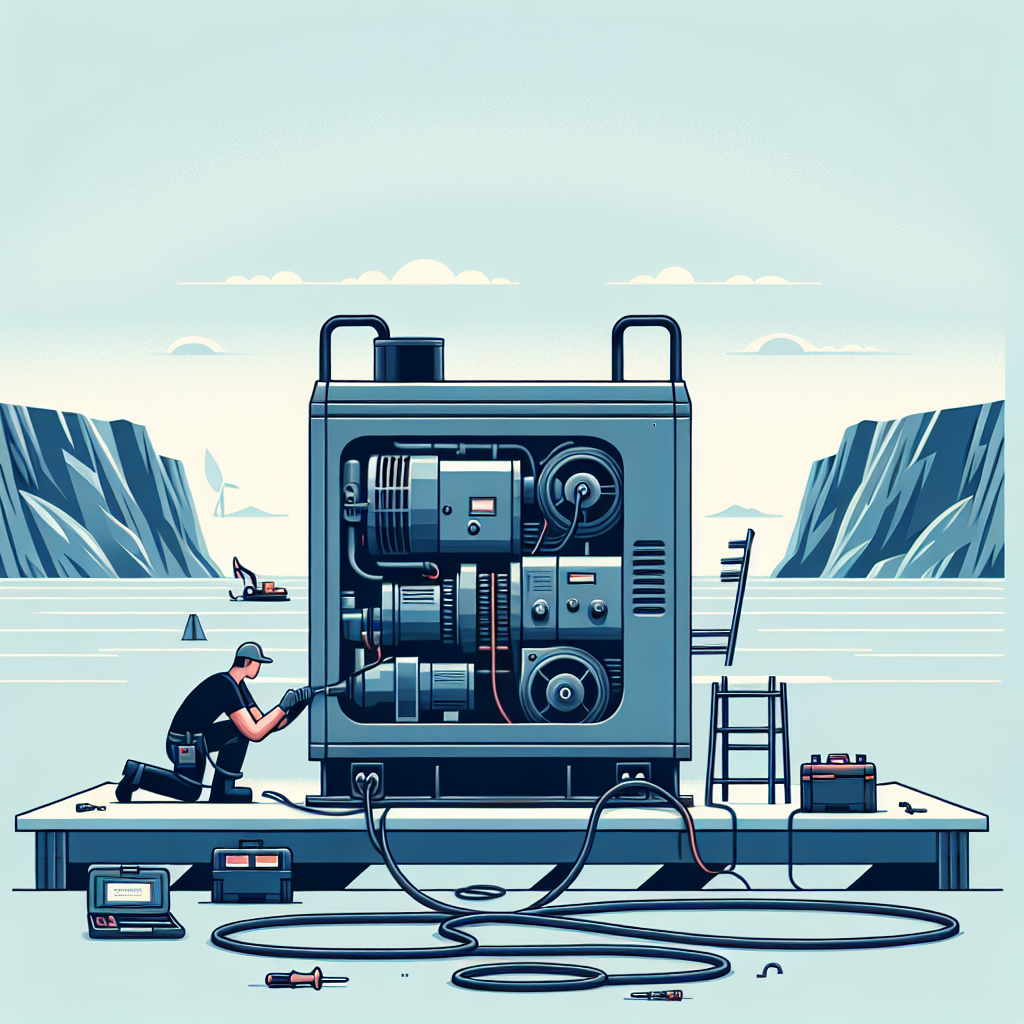
The actual installation involves placing the generator, connecting it to your electrical system, and integrating it with your home’s existing power setup. This step often requires permits, inspections, and compliance with safety standards.
Maintenance for Longevity
After your generator is installed, maintenance is key to ensuring its reliability. Regular check-ups can prevent potential breakdowns and extend the life of your investment. Here are a few maintenance tips:
Regular Testing
Most experts recommend running a test of your generator at least once every month. This process ensures that everything works as intended and helps identify any issues before they become serious problems.
Fuel Quality Checks
Check fuel quality periodically. Stale gasoline can lead to performance problems, so it’s important to either use appropriate fuel stabilizers or rotate the fuel supply.
Professional Service
Lastly, having your generator serviced by a professional at least once or twice a year can help maintain efficiency and extend its lifespan significantly. Experts can detect problems that you might not notice as a homeowner.
Choosing the Right Service Provider in St. Johns
When looking for generator installation in St. Johns, it’s crucial to choose a reliable service provider. Not only should they have a good track record, but they should also be familiar with local regulations and requirements. Do your research to find a company that offers quality customer service and extensive warranties on their products.
Customer Reviews and Reputation
Check online reviews and ask for references. A reputable company will have numerous positive testimonials that highlight their efficiency and reliability.
Certification and Experience
Ensure that the technicians are certified and experienced in generator installations. A knowledgeable technician will understand the nuances involved in the installation and maintenance of generators, which is essential for long term performance.
Conclusion
Generator installation services in St. Johns are an invaluable resource for homeowners seeking peace of mind during outages. Understanding the types of generators, your specific needs, and the installation process will empower you to make informed decisions. With the right generator and a reliable service provider, you can ensure seamless backup power for your home, protecting your family and your investments during those unexpected moments when the lights go out.